By Haruna Abu-Faisal
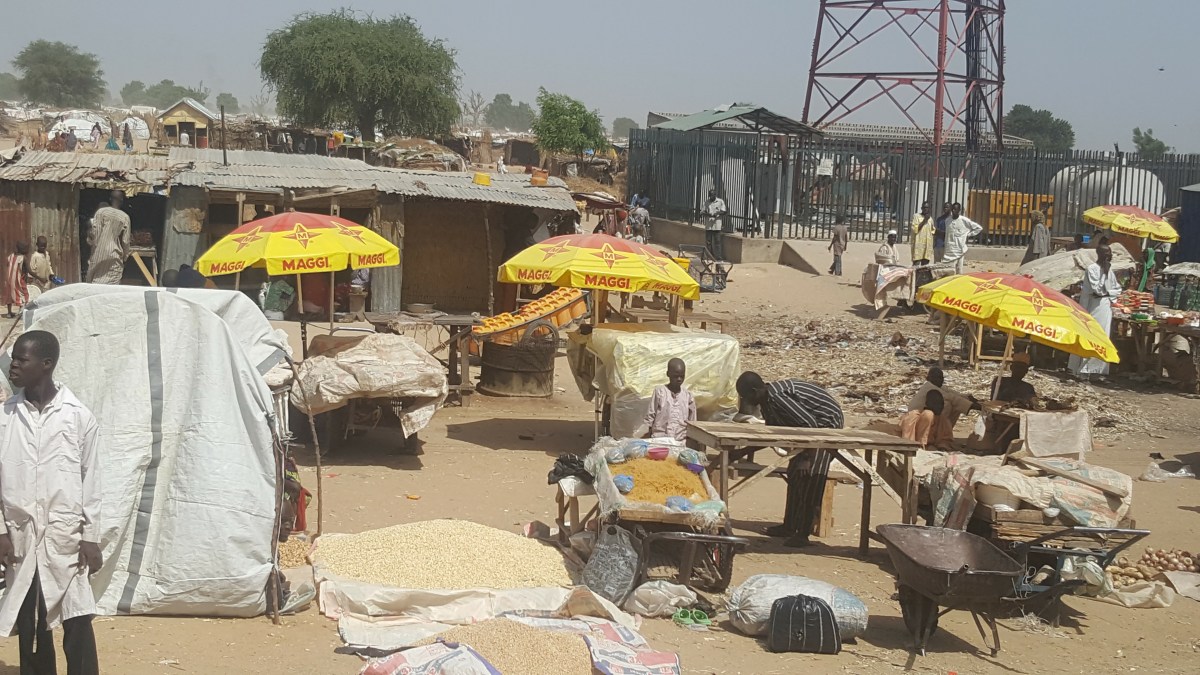
The ongoing conflict in Nigeria’s northeast, particularly in Borno State, has had a devastating impact on the population’s access to food.
Civilians have become targets for informants, and this has led to severe restrictions on movement, making it challenging for people to engage in their typical livelihood activities.
As a result, many families are struggling to put food on the table, and the situation is expected to worsen in the coming months.
“We used to be self-sufficient and grow our food, but now we can’t even leave our homes without fear of being attacked,” says Amina, a mother of four who lives in Bama LGA.
“We have to rely on aid, but it’s not enough, and we don’t know how we’ll survive.”
Experts predict that the food crisis will continue to escalate, with Crisis (IPC Phase 3) outcomes expected to expand through the main season harvest in October 2023.

The situation is even more dire in the Abadam, Bama, Guzamala, and Marte LGAs, where Emergency (IPC Phase 4) outcomes are expected to emerge in May or June due to the high levels of acute malnutrition.
For families like Amina’s, this means that the struggle to find enough food to eat will only become more challenging.
“The situation is dire, and we need urgent help,” says Ibrahim, a community leader in Marte LGA.
“We can’t wait for the harvest season; people are hungry now, and we need assistance to survive.”
“Without swift action to address the food shortage, it’s clear that the already difficult situation in Nigeria’s northeast will only worsen.
The UN has in its March 2023 Nigeria Food Security Outlook, February 2022 to May 2023 warned that as the conflict in the northeast continues to be concentrated in Borno State, “there has been an increase in the use of civilians as informants, which has, in turn, driven increased restrictions on population movement and the kidnapping and killing of civilians. This has deteriorated households’ ability to engage in their typical livelihood activities to earn income for food purchases.
“Crisis (IPC Phase 3) outcomes are expected to expand in the northeast through the main season harvest in October 2023. Emergency (IPC Phase 4) outcomes are expected to emerge in May or June in Abadam, Bama, Guzamala, and Marte LGAs, where high levels of acute malnutrition are expected.”

 Bay States News