
A new report published on Tuesday by by the UNDP revealed that many young people in Subsaharan Africa who join violent extremism do so believing that they will at least get some work that will take care of their needs.
The UNDP report findings has for a first time amplified what was known long ago that poverty and youth unemployment are the main drivers of radical extremism and not the boring traditional assumptions about what drives people to violent extremism; and underscore an urgent paradigm shift from security-driven responses to development-based approaches that focused on prevention.
Though the report has given a more scientific approach to proving that religion is certainly not a main driver for most of the joiners of extremists gang, by interviewing as many respondents as possible, it has, atleast, for the first time amplifies the need for a change of approach to solving the age-long wrong assumptions.
The report:
Among nearly 2,200 interviewees, one-quarter of voluntary recruits cited job opportunities as their primary reason for joining, while 40 percent said they were in urgent need of livelihoods at the time of recruitment—a 92 percent increase from the findings of a groundbreaking 2017 UNDP study.
Religion came as the third reason for joining, cited by 17 percent — a 57 percent decrease from the 2017 findings, with a majority of recruits admitting to having limited knowledge of religious texts.
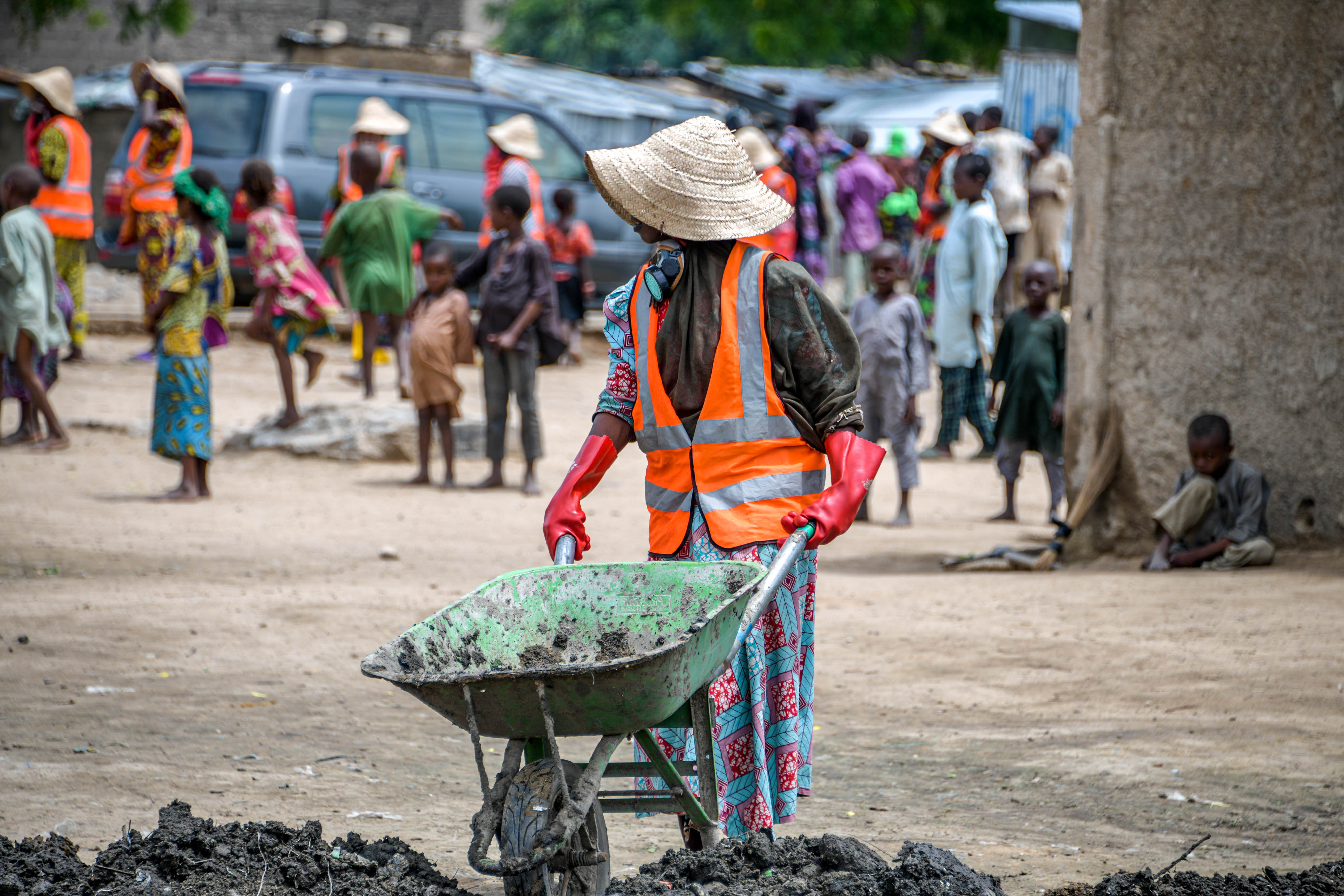
Nearly half of the respondents cited a specific trigger event pushing them to join violent extremist groups, with a striking 71 percent pointing to human rights abuse, often conducted by state security forces, as ‘the tipping point’.
“Sub-Saharan Africa has become the new global epicenter of violent extremism with 48% of global terrorism deaths in 2021. This surge not only adversely impacts lives, security and peace, but also threatens to reverse hard-won development gains for generations to come. Security-driven counter-terrorism responses are often costly and minimally effective, yet investments in preventive approaches to violent extremism are woefully inadequate. The social contract between states and citizens must be reinvigorated to tackle root causes of violent extremism,” UNDP Administrator Achim Steiner said.
“Journey to Extremism in Africa: Pathways to Recruitment and Disengagement” draws from interviews with nearly 2,200 people in eight countries: Burkina Faso, Cameroon, Chad, Mali, Niger, Nigeria, Somalia, and Sudan. More than 1,000 interviewees are former members of violent extremist groups, both voluntary and forced recruits.
The report explores pathways out of violent extremism, identifying factors that push or pull recruits to disengage. Interviewees most often cited unmet expectations, particularly financial expectations, and lack of trust in the group’s leadership as their main reasons for leaving. It also presents gendered data to understand violent extremism from the perspective of women.
“Research shows that those who decide to disengage from violent extremism are less likely to re-join and recruit others. This is why it’s so important to invest in incentives that enable disengagement. Local communities play a pivotal role in supporting sustainable pathways out of violent extremism, along with national governments amnesty programmes,” UNDP Preventing Violent Extremism technical lead in Africa Nirina Kiplagat said.
To counter and prevent violent extremism, the report recommends greater investment in basic services including child welfare; education; quality livelihoods; and investing in young men and women. It also calls for scaling-up exit opportunities and investment in rehabilitation and community-based reintegration services.
This report is part of a series of three reports on the prevention of violent extremism, including the report, “Dynamics of Violent Extremism in Africa: Conflict Ecosystems, Political Ecology, and the Spread of the Proto-State” which analyses the latest dynamics of violent extremist groups in Sub-Saharan Africa and provides recommendations for specific development actions.
 Bay States News