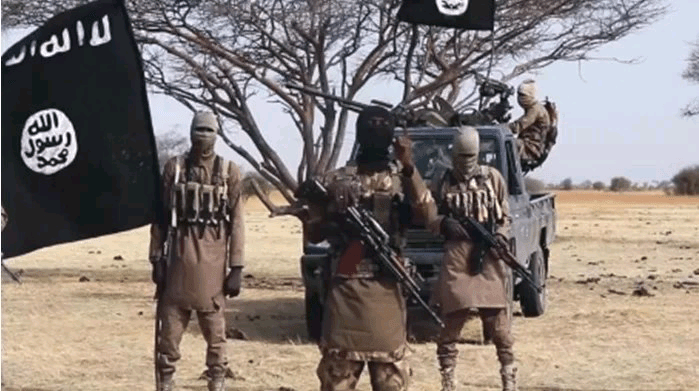
One soldier was wounded as the Troops of Sector 3 Multinational Joint Task Force (MNJTF) eliminated three Islamic State of the West African Province (ISWAP) terrorists during a clearance operation on the fringes of Lake Chad on May 28.
The injured personnel was airlifted to the Military hospital in Maiduguri for medical attention.
According to intelligence sources, the terrorists were neutralized by the troops of 86 Battalion in the fringes of Malam Fatori in Borno’s Abadam Local Government Area. Two AK-47 rifles were recovered from the terrorists after the encounter.
Zagazola Makama, a Counter-Insurgency Expert and Security Analyst in Lake Chad, confirmed the incident, stating that the troops have dealt a significant blow to the ISWAP terrorists’ nefarious activities in the region.
Nigerian Army troops have recovered a large cache of arms and ammunition from the Islamic State of the West African Province (ISWAP) insurgents in Sambisa Forest, Borno State.
The discovery was made during the ongoing counter-terrorist operation, Operation Desert Sanity II, when troops invaded the Ukuba camp on May 13.
The armory contained many weapons and ammunition, including anti-aircraft guns, AK 47 rifles, and Improvised Explosive Devices (IEDs) making materials.
This discovery comes almost two weeks after the troops raided the same camp and recovered several weapons and a Hilux vehicle mounted with an Anti-Aircraft Gun.
Nigerian Army troops discovered a cache of weapons concealed in hidden dug pits by the terrorist group ISWAP, according to intelligence sources.
Experts revealed that the recovered weapons included several variants of Rocket Propelled Grenade Tubes, SMG Rifle, Double Barrel guns, 50 hand grenade bombs, 5 SMK bombs, and other dangerous weapons. The troops also recovered Non-electric detonators, IEDs-making materials, prepared IEDs, and canister bombs.
One terrorist was neutralized, and one AK47 rifle and other items were recovered. Troops successfully evacuated the arms, and their morale and fighting spirit were boosted.
The Nigerian Army’s counter-terrorist operations have weakened the militants’ ability to carry out their activities. Operation Desert-lake-mountain II, which started on April 27, has steadily progressed in the Sambisa-Timbuktu Triangle and Lake Chad shores.
Troops have killed scores of militants and forced others to flee. Recent successful operations have cleared terrorist hideouts, including Garno, Alafa, Alafa D, Garin Doctor, Njumia, Izzah, Farisu, Somalia, Ukuba, Garin Glucose, Garin Ba’aba, and Bula Abu Amir, dealing a massive blow to their activities.
The recovered cache of munitions
The Nigerian Army’s successful recovery of a large cache of arms and ammunition from ISWAP insurgents in Sambisa Forest, plus clearance of several terrorist hideouts, has boosted troops’ morale and fighting spirit.
The Army’s commitment to ensuring citizens’ safety and security is evident. These victories are commendable, and the people of Nigeria appreciate the Army’s dedication, bravery, and unwavering commitment to ending insurgency in the country.
Reporting on the same development earlier, Zagazola Makama, a popular commentator on the ongoing insecurity in the Lake Chad region, said Nigeria troops have been “making steady inroads as ground and air support continue to sustain pressure on the terrorists.
“The troops have killed scores of militants, while many others have been forced to flee.”
The Nigerien army said it has intercepted around 1,400 Boko Haram militants who were fleeing to Niger after clashing with rival jihadist group, the Islamic State West Africa Province (ISWAP), with around 30 of them being killed.
The army caught the followers, mostly women and children, who were trying to reach the marshlands of Lake Chad, known to be a bolthole for jihadists.
The movement was first detected on March 7th, while walking along the Kamadougou Yoge River, which marks the border between Nigeria and Niger.
Six days later, Nigerien troops in a regional anti-jihadist task force killed 20 militants and arrested 83 others.
The southeastern region of Diffa, which has borne the brunt of jihadist attacks over the years, has been relatively calm since the beginning of 2023.
However, rebels have planted landmines that continue to claim lives.
France has pledged a €6.9 million aid package to provide life-saving assistance to two million people facing malnutrition and food insecurity in the North East of Nigeria.
Emmanuelle Blatmann, the French Ambassador to Nigeria, announced the package during her visit to the Muna IDP Camp clinic in Borno State.
The funds will be used to address severe acute malnutrition and food shortages in the region through the World Food Programme.
Ambassador Blatmann stressed the importance of the aid package in providing relief to the most vulnerable populations in the area. This contribution is a significant step towards addressing the ongoing humanitarian crisis in the North East of Nigeria, where millions have been displaced.
The Ambassador expressed concern for malnourished children during her visit to the Muna IDP Camp clinic in Borno State. She reiterated France’s commitment to addressing the humanitarian crisis in the region and providing life-saving assistance to those in need.
In addition to the €6.9 million aid package, Ambassador Blatmann revealed that France had financed 28 projects worth €21 million in the region over the last three years, reaching over one million people and addressing various needs such as food security and health.
Mothers and their malnourished child at a WFP treatment clinic in Muna IDP camp
Ambassador Blatmann stressed the importance of a comprehensive approach to addressing the multiple drivers of the conflict in the region, including hunger, insecurity, and climate change. She pledged France’s continued investment in the area to improve the lives of vulnerable people.
The Ambassador also highlighted an initiative by France, the World Food Programme, and other partners to mitigate the impact of the crisis in Ukraine on access to food for vulnerable and displaced people in Borno State. This initiative showcases France’s commitment to working with international partners to address the humanitarian crisis in the region.
Blatmann o has refuted claims of donor fatigue and decreasing humanitarian assistance by announcing their increased contributions to Nigeria.
“We often hear about donor fatigue and humanitarian assistance going down, so I am here to prove that for France, it is the opposite,” she said.
She said France had already front-loaded three million euros to the World Food Programme to address hunger and malnutrition in the region.
Falmata, a mother of twins, said her children were treated for moderate malnourishment at the clinic operated by WFP
“This contribution showcases France’s commitment to helping the affected population and collaborating with the government and UN agencies. The funding will support those in need and demonstrate solidarity with the region.
According to David Stevenson, the WFP Country Director, the organisation will aid 2.1 million people under the humanitarian response plan.
“The plan focuses on children, providing food supplements to the mothers of malnourished children and helping nursing mothers learn nutrition techniques,” he said.
Stevenson emphasised the WFP’s dedication to meeting the needs of conflict victims in the North East. The collaboration between France, the WFP, and other partners is crucial in tackling the region’s humanitarian crisis and giving life-saving support to those affected.
At least two members of the Islamic State of West Africa Province (ISWAP) were killed and several others were injured in a vehicle accident on Tuesday evening along the highways leading to the Sambisa forest, sources said.
Zagazola Makama, a popular counterinsurgency commentator in the Lake Chad region has also reported this via his verified twitter handle.
BNB Online learnt that the accident involved a Toyota Hilux truck carrying ISWAP terrorists in Galmasku village which was moving at a neck breaking speed, apparently to escape Nigerian troops onslaught
One of the tyres of the over speeding truck exploded and caused the vehicle to overturn repeatedly.
Eyewitnesses said the ISWAP fighters immediately evacuated the dead and injured to a nearby village, Shettima Abor.
The deputy governor of Borno state, Usman Kadafur, has identified poverty and single-minded allegiance to religious clerics by the uneducated populace as major contributing factors to the Boko Haram-induced insecurity in the region.
Kadafur explained that the people’s unreasonable reliance on some of the skewed teachings of clerics, without exposure to opposing views or access to alternative sources of knowledge, has fueled extremism in the state.
He noted that the majority of individuals in rural areas of Borno lack basic education, leaving them vulnerable to skewed religious teachings propagated by traditional clerics.
Kadafur’s statements highlight the urgent need for increased access to education as a means of promoting religious tolerance and countering extremist ideologies and even globalization.
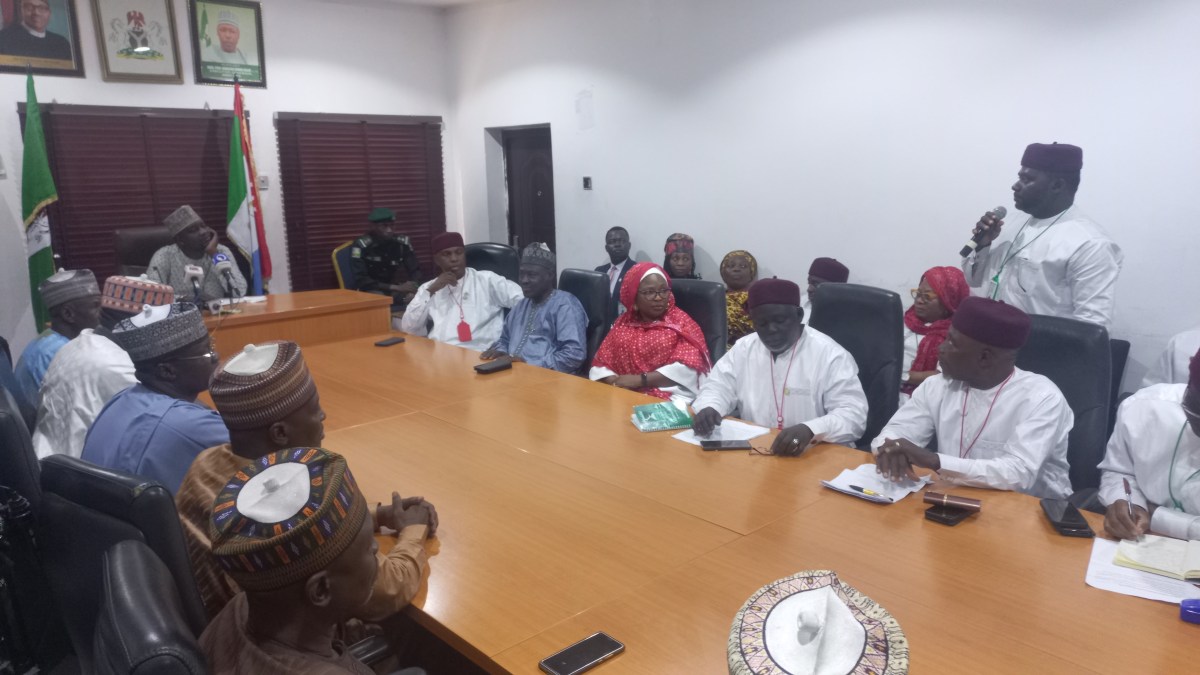
The deputy governor made this comment while hosting executive intelligence management course (EIMC) from the Nigeria Institute for Security Studies, syndicate-3, who were in the state on a study tour.
Visiting members of syndicate-3, who are among 89 participants in an ongoing ten-month EIMC, were welcomed to the state by Mr. Kadafur.
The deputy governor praised the group’s visit, while hoping that their tour of assignment in the state would bring about solutions that would further supports the state’s post-insurgency recovery programme. He also highlighted the state government’s investment in the security sector over the past four years, which he said has resulted in the attainment of relative peace in the region.
Kadafur emphasized two key achievements of the state government: the formulation of a 25-year development plan and a ten-year strategic action plan, which serve as guides for post-insurgency programs.
“Our people are, by default, very religious,” Kadafur explained.
“Islam came to Borno centuries before it reached many other parts of Africa. As a result, our people tend to give more weight to the words of religious clerics than even those of their parents.”
The deputy governor’s comments highlight the importance of recognizing the cultural and religious context of Borno state when addressing security challenges and promoting social development. However, he noted that many people in the state lack access to education and are therefore susceptible to misguided teachings from religious clerics.
To address this trend, he said his boss, Governor Babagana Zulum, has invested in education and provided displaced individuals with opportunities for economic activity as they return to their ancestral homes.
These efforts are in line with the state’s 25-year development plan, which includes the successful return of internally displaced persons to their communities.
By prioritizing education and economic opportunities, the Borno state government is working to address root causes of conflict and promote long-term stability and prosperity in the region. This approach recognizes the importance of addressing underlying social and economic issues in addition to security concerns.
According to Adamu Abdul Shehu, a top official of the Institute, 15 participants from Syndicate 3 of the Executive Intelligence Management Courses team were in the state to engage with key stakeholders and gain a better understanding of the root cause of conflict.
Syndicate 3 is a part of the class of 89 participants enrolled in this year’s course of the EIMC. The remaining 74 participants are currently on study tours of five northern states in Nigeria, namely Kaduna, Kebbi, and Nasarawa.
Shehu explained that the participants are drawn from 35 agencies in Nigeria, as well as four African countries – Gambia, Niger Republic, Chad, and Rwanda. They are undergoing a 10-month course at the National Institute, which will lead to the award of Fellow Security Institute (FSI) if they are found worthy in character and learning.
He said the purpose of the course is to impact on the participants the required knowledge to address the dynamic and complex security challenges in the respective countries as well as foster interagency cooperation and international cooperation.
He said the theme of the cause for this year is Globalization And Regional Economic Integration; Implication For Sustainable Development In Africa.
As part of the requirement for the award of FSI, the participants will undertake local, state, regional, and world tours.
The leader of the delegation and a deputy director at the Institute, Ogbeshe, informed the syndicates would be visiting another six selected states in the south with the hope of assessing the situation, doing a peer review, and then making a comparison of their findings to produce a document that would prefer a better solution on how to improve the security to promote globalization.
“At the end of this, we will compile our findings and make a comprehensive presentation in an occasion which his excellency would be invited to witness and judge what we feel can be done better than what is going on right now.”
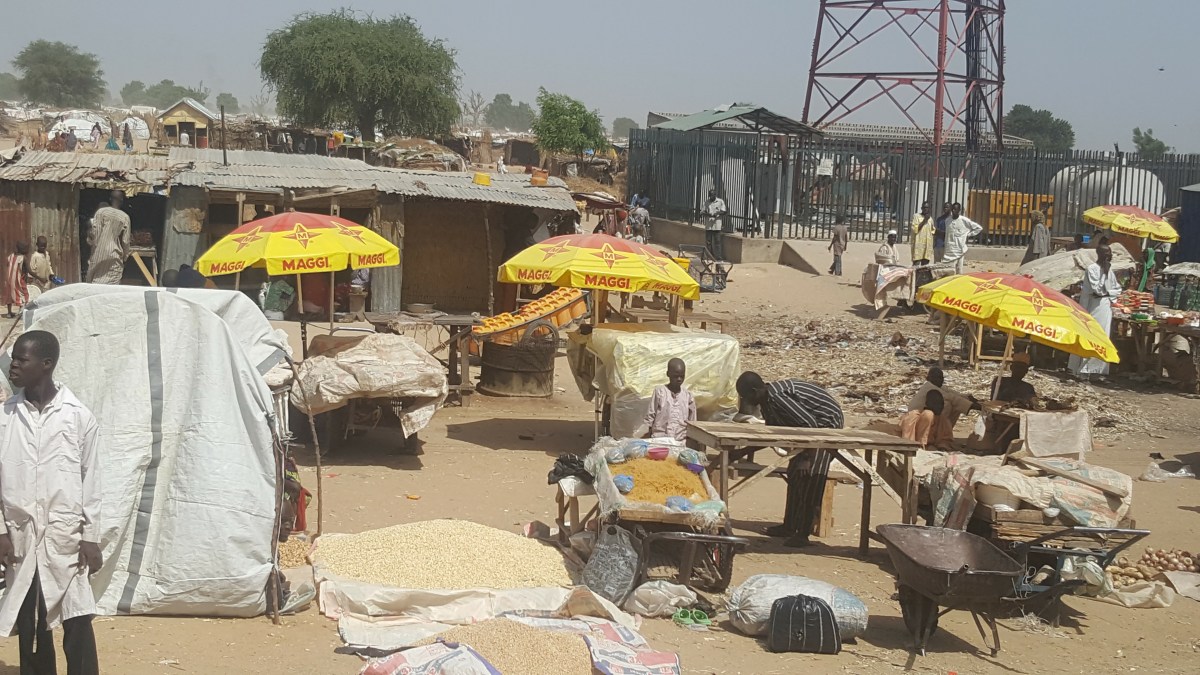
The ongoing conflict in Nigeria’s northeast, particularly in Borno State, has had a devastating impact on the population’s access to food.
Civilians have become targets for informants, and this has led to severe restrictions on movement, making it challenging for people to engage in their typical livelihood activities.
As a result, many families are struggling to put food on the table, and the situation is expected to worsen in the coming months.
“We used to be self-sufficient and grow our food, but now we can’t even leave our homes without fear of being attacked,” says Amina, a mother of four who lives in Bama LGA.
“We have to rely on aid, but it’s not enough, and we don’t know how we’ll survive.”
Experts predict that the food crisis will continue to escalate, with Crisis (IPC Phase 3) outcomes expected to expand through the main season harvest in October 2023.
A female IDP in northeast Nigeria
The situation is even more dire in the Abadam, Bama, Guzamala, and Marte LGAs, where Emergency (IPC Phase 4) outcomes are expected to emerge in May or June due to the high levels of acute malnutrition.
For families like Amina’s, this means that the struggle to find enough food to eat will only become more challenging.
“The situation is dire, and we need urgent help,” says Ibrahim, a community leader in Marte LGA.
“We can’t wait for the harvest season; people are hungry now, and we need assistance to survive.”
“Without swift action to address the food shortage, it’s clear that the already difficult situation in Nigeria’s northeast will only worsen.
The UN has in its March 2023 Nigeria Food Security Outlook, February 2022 to May 2023 warned that as the conflict in the northeast continues to be concentrated in Borno State, “there has been an increase in the use of civilians as informants, which has, in turn, driven increased restrictions on population movement and the kidnapping and killing of civilians. This has deteriorated households’ ability to engage in their typical livelihood activities to earn income for food purchases.
“Crisis (IPC Phase 3) outcomes are expected to expand in the northeast through the main season harvest in October 2023. Emergency (IPC Phase 4) outcomes are expected to emerge in May or June in Abadam, Bama, Guzamala, and Marte LGAs, where high levels of acute malnutrition are expected.”
The International Fund for Agricultural Development (IFAD) has announced that it has invested a total of $604.6 million in Nigeria’s agricultural sector, providing support to farmers and facilitating sustainable agricultural development in the country. The investment was made through domestic and international co-financing between the years 2016 and 2023.
According to Mr. Abdulhameed Girai, the Monitoring and Evaluation Adviser, FGN/CPAT-Country Programme Advisory Team, over 5 million people across 28 states of Nigeria have benefited from viable interventions initiated by the program. The beneficiaries were under IFAD’s Country Strategic Opportunities Programme (COSOP) in the past seven years.
Speaking at a two-day regional consultative workshop for Nigeria’s 2024-2029 project in Maiduguri, Mr. Girai highlighted some of the programs that IFAD has supported, including the Value Chain Development Programme (VCDP), the Livelihood Improvement Family Enterprise Programme (LIFE-ND), and Special Agro-Industrial Processing Zones (SAPZs).
The investment by IFAD in Nigeria’s agricultural sector is aimed at addressing the challenges faced by smallholder farmers and ensuring food security in the country. By providing viable interventions and support to farmers, IFAD aims to encourage sustainable agricultural development and create opportunities for rural communities.
From what has been observed about the Lake Chad crisis, so far, it seems that the Nigerian government’s priorities have shifted away from addressing the threat posed by ISWAP.
In 2015, a presidential candidate (Muhammadu Buhari) won the election by promising to “destroy” Boko Haram; however, during the most recent election, ISWAP, an evolution of the Boko Haram, was barely mentioned.
Does this suggests that the group’s presence has been accepted as a fact of life, allowing it to govern according to its interpretation of Shari’a law and collect taxes from the population?
While the Nigerian military’s “super camps” strategy has secured cities and towns, ISWAP retains control over the countryside, leading to a deepened humanitarian crisis and ongoing conflict.
However, this situation has also led to a humanitarian crisis in the region, with millions of people displaced and an ongoing conflict that has claimed thousands of lives. It is worrying that the Nigerian government appears to have accepted ISWAP’s presence as a fact of life rather than actively seeking to eliminate the group and restore peace to the region.
It is important to note that accepting the presence of a terrorist group as a fact of life is not a viable long-term solution. While it may bring a temporary sense of stability, it allows the group to continue to operate and potentially grow in strength, posing a continued threat to both the local population and the wider region.
It was sad that none of the presidential candidates in the last general election made any direct mention of the group nor the strategy they’d deploy to tackle them as they did of Boko Haram in 2015.
The Nigerian government must find a way to address the root causes of the conflict and work towards a lasting peace rather than implicitly tolerating ISWAP’s presence.








 Bay States News